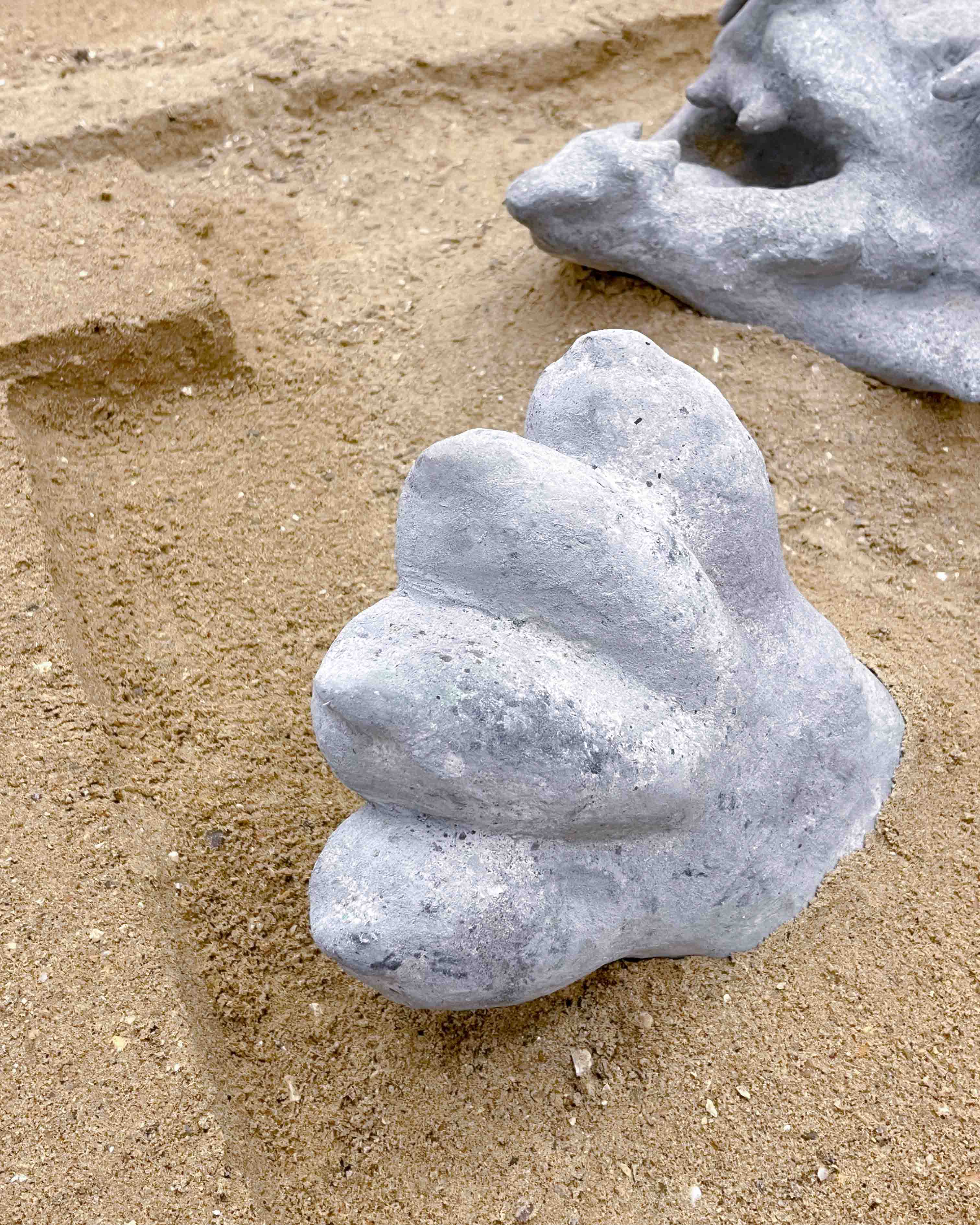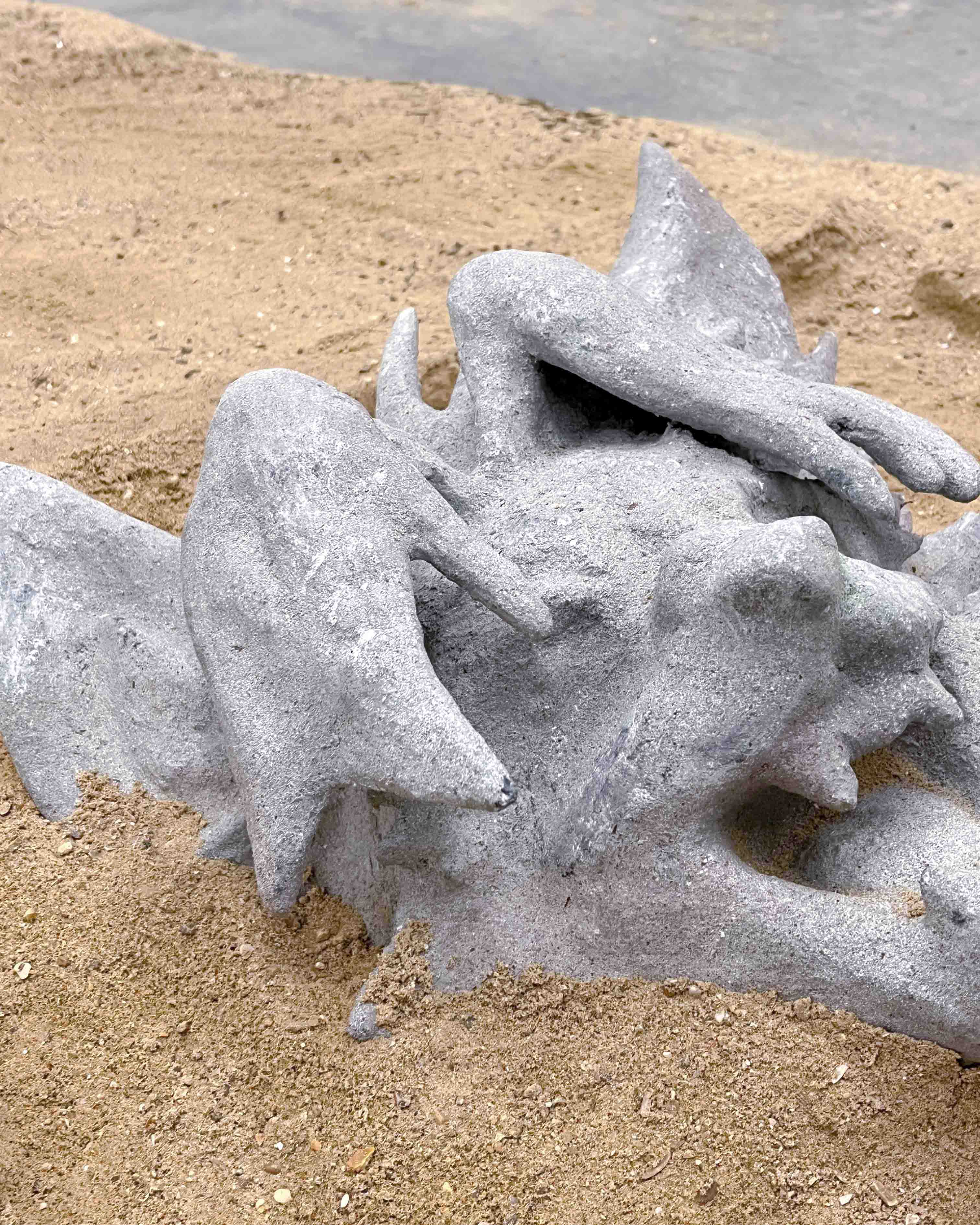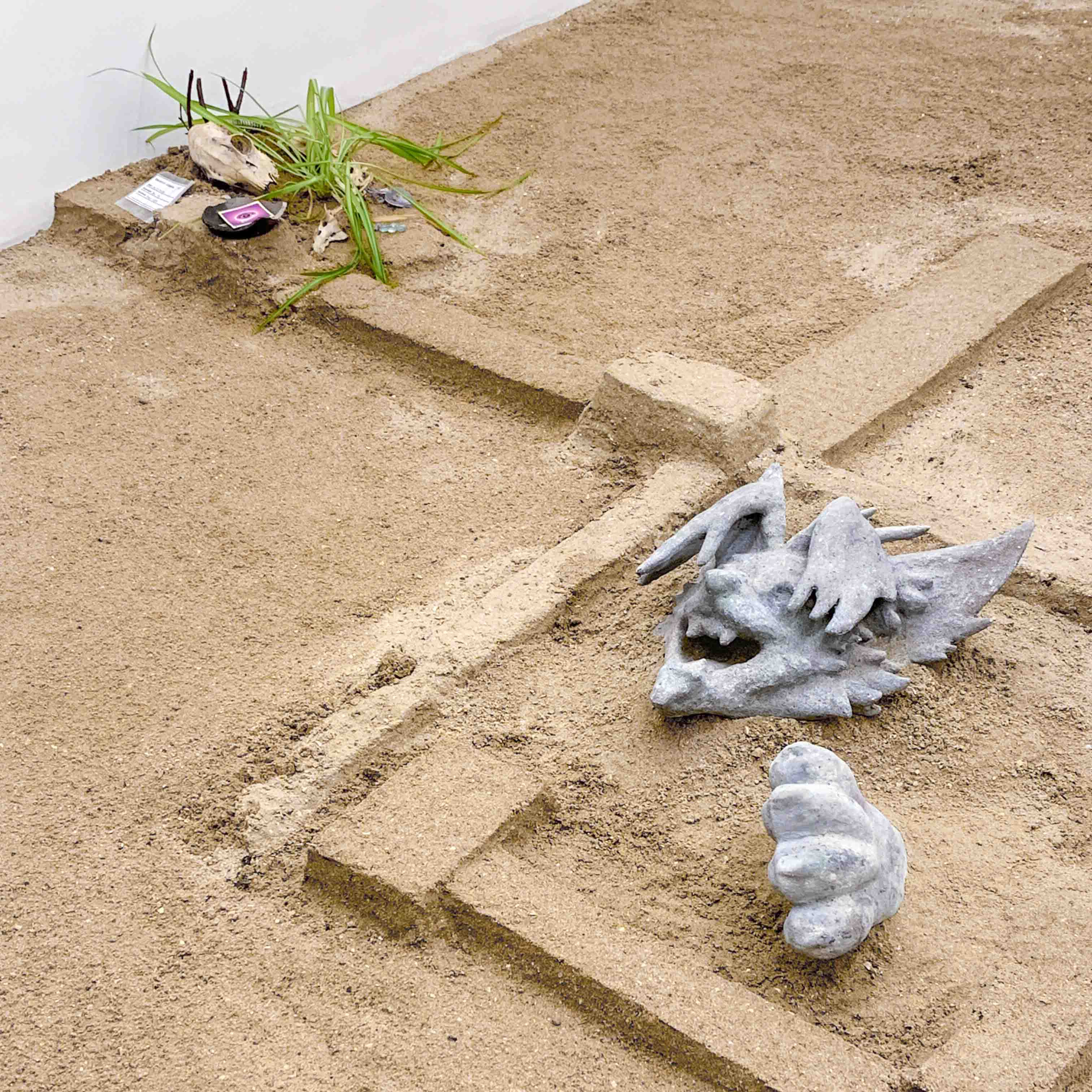
In 2017, researchers conducted DNA tests on the famous Pompeii relic, “The Two Maidens.” It was discovered that the figures, previously believed to be two embracing women, were actually unrelated young men, possibly romantically entangled. The ancient city of Pompeii was known for its openness toward sexuality and sex, however, in Italy's modern political landscape, this discovery has sparked controversy. Some have labeled it as “gay propaganda,” highlighting the shifting and negotiable standards of what is considered acceptable by the general population.
While queerness has become broadly accepted in most Western countries, less common identities related to gender and sexuality are still often mocked online. One of which, the furry fandom, has been a frequent target of online hate. Though the furry community is not inherently linked to sexual interests, it cannot be denied that many furries consider the sexual aspect an important part of the community. As a result, the internet often labels furries as “weirdos,” delegitimizing their identity and using them as an easy scapegoat. The sculpture links the 2017 response to the discovery with current online hate targeted at the furry community. A fossilized fursona serves as a hopeful symbol, wishing for a future where all identities are accepted and celebrated equally.